

Your credit score is one of the most important numbers in your financial life, yet many people don’t understand how it’s calculated or why it matters.
Whether you’re planning to apply for a credit card, finance a car, rent an apartment, or eventually buy a home, your credit score may influence the financial options available to you. A strong credit history can open doors to better borrowing opportunities, while poor credit habits may make it more difficult to qualify for certain financial products.
The good news is that credit scores aren’t permanent. They change over time based on how you manage your credit accounts. By understanding how credit scores work, you can build healthy financial habits that support your long-term goals.
In this guide, you’ll learn:
- What a credit score is
- How credit scores are calculated
- What factors affect your score
- Why lenders use credit scores
- Common credit score myths
- Practical ways to build and maintain good credit
Related Reading: Before diving deeper, read our pillar guide: How Credit Scores and Banking Work: A Beginner’s Complete Guide for a broader understanding of banking and credit fundamentals.
What Is a Credit Score?
A credit score is a numerical representation of your creditworthiness. In simple terms, it helps lenders estimate how responsibly you’ve managed borrowed money in the past.
When you borrow money—through a credit card, personal loan, auto loan, or mortgage—you create a credit history. Your financial behavior, such as making payments on time or carrying large balances, contributes to that history.
Credit scoring models analyze the information in your credit report and generate a score that lenders can use as one factor when evaluating credit applications.
A higher score generally indicates lower lending risk, while a lower score may suggest greater risk. However, lenders often consider additional factors beyond your credit score, such as income, employment, and existing debt.
Why Do Credit Scores Exist?
Before credit scoring systems became common, lenders had to manually review each applicant’s financial history. This process was time-consuming and often inconsistent.
Today, credit scores provide a standardized way to evaluate credit risk. They help financial institutions make decisions more efficiently while giving consumers an incentive to build positive financial habits.
Credit scores may be used when applying for:
- Credit cards
- Personal loans
- Auto loans
- Mortgages
- Certain rental agreements
- Some utility or service accounts, depending on the region

Credit Score vs Credit Report
Many beginners confuse these two terms, but they are not the same.
A credit report is a detailed record of your credit history. It may include information such as:
- Credit accounts
- Payment history
- Outstanding balances
- Credit inquiries
- Public financial records (where applicable)
A credit score, on the other hand, is a number calculated using the information in your credit report.
Think of it this way:
- Credit Report = Your financial history
- Credit Score = A summary of that history
Reviewing your credit report regularly can help you understand the information that contributes to your score and identify any inaccuracies that may need correction.
How Credit Scores Are Calculated
Although different scoring models may use slightly different formulas, they generally evaluate similar financial behaviors.
The most common factors include:
- Payment history
- Credit utilization
- Length of credit history
- Credit mix
- New credit applications
Let’s look at each one in more detail.
Payment History
Payment history reflects whether you’ve paid your credit accounts on time.
Lenders value consistency because it demonstrates financial responsibility.
Examples of positive payment behavior include:
- Paying every bill before the due date
- Making at least the required minimum payment
- Avoiding missed payments
Late or missed payments may remain on your credit report for an extended period, depending on local regulations.
If you’re just starting to build credit, establishing a consistent payment routine is one of the best habits you can develop.
Credit Utilization
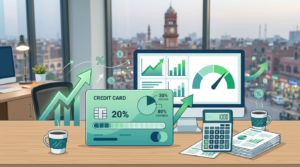
Credit utilization measures how much of your available credit you’re currently using.
For example:
- Credit limit: $10,000
- Current balance: $2,000
- Credit utilization: 20%
Many financial educators suggest keeping your utilization below 30%, although lower percentages may be viewed more favorably.
High utilization doesn’t necessarily mean you’re in financial trouble, but consistently using most of your available credit could affect your credit profile.
Length of Credit History
The age of your credit accounts can also play a role.
Generally, a longer history of responsible credit management provides lenders with more information about your borrowing behavior.
This is one reason why many financial professionals advise thinking carefully before closing your oldest credit account, especially if it has no annual fee and still fits your financial needs.
Credit Mix
Your credit profile may include different types of borrowing, such as:
- Credit cards
- Auto loans
- Personal loans
- Student loans
- Mortgages
A diverse credit mix may contribute positively to your overall profile, but it should never be the reason for taking on unnecessary debt.
Only borrow money when it aligns with your financial goals and repayment ability.
New Credit Applications
Each time you apply for new credit, the lender may review your credit history.
Submitting many applications within a short period can suggest that you’re actively seeking credit, which some lenders may interpret as increased financial risk.
Instead of applying for multiple products at once, compare your options carefully and apply only when needed.
Why Your Credit Score Matters
Your credit score can influence more than just loan approvals.
Depending on your country and the policies of individual organizations, it may also affect:
- Interest rates on loans
- Credit card offers
- Financing options
- Security deposit requirements
- Rental applications
- Insurance pricing in some regions
Because of this, maintaining healthy credit habits can provide greater financial flexibility over time.
Credit Score Ranges Explained
Credit score ranges vary depending on the scoring model and the country where you live. However, most scoring systems classify scores into categories that help lenders assess credit risk.
Generally, higher scores indicate that a borrower has demonstrated responsible credit management over time, while lower scores may suggest a higher level of lending risk.
Instead of focusing only on reaching a specific number, concentrate on building healthy financial habits that naturally improve your credit profile over time.
Keep in mind that lenders don’t make decisions based solely on your credit score. They may also review factors such as your income, employment, existing debts, and overall financial situation.
How Lenders Use Credit Scores
Every time you apply for a financial product, the lender wants to understand the likelihood that you’ll repay borrowed money according to the agreement.
Your credit score provides a quick summary of your credit history, helping lenders make more informed decisions.
Depending on the financial product, your credit score may influence:
- Whether your application is approved
- The interest rate you may receive
- Your available credit limit
- Loan repayment terms
- Security deposit requirements for certain services
A stronger credit profile can improve your borrowing options, but it doesn’t guarantee approval. Lenders evaluate multiple aspects of your financial situation before making a final decision.
Does Everyone Need a Credit Score?
Not everyone needs to borrow money regularly, but having an established credit history can be helpful if you plan to:
- Buy a home
- Finance a vehicle
- Apply for a credit card
- Start a business
- Rent an apartment in areas where landlords review credit reports
Even if you don’t currently need credit, maintaining a positive credit history can provide greater financial flexibility in the future.

Common Myths About Credit Scores
There are many misconceptions about credit scores. Understanding the facts can help you avoid costly financial mistakes.
Myth 1: Checking Your Own Credit Score Hurts It
This is one of the most common myths.
Reviewing your own credit report or credit score is generally considered a soft inquiry and typically does not affect your credit score.
Regularly monitoring your credit can help you identify errors or signs of identity theft.
Myth 2: Carrying a Balance Improves Your Score
Some people believe they must carry a balance on their credit card every month to build credit.
In reality, paying your balance responsibly and keeping your credit utilization low is generally a healthier financial habit.
Myth 3: Closing Old Credit Cards Always Helps
Closing an older account may reduce the average age of your credit history and could increase your credit utilization ratio if it lowers your total available credit.
Before closing an account, consider how it fits into your overall financial plan.
Myth 4: Income Determines Your Credit Score
Your salary or income is generally not a direct factor in calculating your credit score.
Instead, your score is based primarily on how responsibly you manage your credit accounts.
Myth 5: You Need Debt to Have Good Credit
Responsible credit use is different from carrying unnecessary debt.
You don’t need to borrow more than you can comfortably repay simply to build a stronger credit profile.
Common Mistakes That Can Lower Your Credit Score
Even financially responsible people sometimes make mistakes that negatively affect their credit.
Being aware of these common pitfalls can help you avoid them.
Missing Payment Deadlines
Late payments can remain on your credit history for an extended period and may negatively affect your score.
Setting up automatic payments or payment reminders can reduce the likelihood of missing due dates.
Using Too Much Available Credit
Consistently using a high percentage of your available credit may signal increased financial risk.
Aim to keep balances manageable and pay them down whenever possible.
Applying for Too Many Credit Cards
Submitting multiple credit applications within a short period may raise concerns for some lenders.
Compare options carefully and apply only when you genuinely need a new credit product.
Ignoring Errors on Your Credit Report
Mistakes can occur.
Review your credit report periodically and report any inaccuracies through the appropriate dispute process available in your country.
Co-Signing Without Understanding the Risk
When you co-sign a loan, you may become legally responsible for the debt if the primary borrower doesn’t repay it.
Consider the potential financial implications before agreeing to co-sign.
How to Build Credit from Scratch
If you’ve never used credit before, building a credit history may take time.
Here are several responsible ways to get started.
Open Your First Credit Account
Depending on your country and financial circumstances, you may qualify for:
- A beginner-friendly credit card
- A secured credit card
- A small installment loan
Only borrow what you can comfortably repay.
Make Every Payment on Time
Consistency is one of the most important factors in building a positive credit history.
Even small purchases can contribute positively when they’re paid on time.
Keep Balances Low
Avoid using your full credit limit.
Responsible borrowing demonstrates that you can manage available credit without becoming overextended.
Monitor Your Credit Progress
Checking your credit report regularly helps you understand how your financial habits are reflected over time.
Monitoring also allows you to identify potential issues before they become more serious.
Tips for Maintaining a Healthy Credit Score
Building a good credit score is only the first step. Maintaining it requires ongoing financial discipline.
Some healthy habits include:
- Pay every bill before the due date.
- Keep credit utilization low.
- Review your credit report regularly.
- Avoid unnecessary borrowing.
- Keep older credit accounts open when appropriate.
- Build an emergency fund to reduce reliance on credit during unexpected situations.
- Create and follow a monthly budget.
- Borrow only what you can realistically afford to repay.
These habits not only support your credit score but also contribute to stronger overall financial health.
Frequently Asked Questions
How often does my credit score change?
Your credit score may change whenever new information is added to your credit report, such as payments, balances, or newly opened accounts.
How long does it take to improve a credit score?
The timeline varies depending on your financial history and the actions you take. Consistent responsible credit management generally leads to gradual improvement over time.
Can I have a good credit score without a credit card?
Yes. Depending on your country and available financial products, other forms of responsibly managed credit may also contribute to your credit history.
Does paying off debt immediately increase my credit score?
Paying off debt can be beneficial, but changes to your credit score may not happen instantly. Credit reports are updated periodically, and improvements often occur over time.
Should I check my credit report every year?
Reviewing your credit report regularly is a good financial habit. It helps you verify that the information is accurate and allows you to identify possible fraud or reporting errors.
What is the difference between a hard inquiry and a soft inquiry?
A soft inquiry typically occurs when you check your own credit or when companies perform certain background reviews. It generally does not affect your credit score.
A hard inquiry may occur when you apply for new credit and can be considered by lenders during the application process.
Key Takeaways
- A credit score summarizes how responsibly you’ve managed borrowed money.
- Payment history is one of the most influential factors affecting your credit profile.
- Keeping your credit utilization low can support healthier credit management.
- Regularly reviewing your credit report helps identify errors and monitor progress.
- Responsible borrowing and on-time payments are more important than trying to achieve a specific score quickly.
- Building strong financial habits today can benefit your future borrowing opportunities.
Continue Your Financial Learning
To deepen your understanding of personal finance, continue with these related guides:
➡ How Credit Scores and Banking Work: A Beginner’s Complete Guide
➡ How to Improve Your Credit Score in 6 Months
➡ Checking vs Savings Account: What’s the Difference?
➡ Bank Fees You Should Never Pay (And How to Avoid Them)
You may also find value in revisiting your articles on budgeting, emergency funds, and debt management, as these topics work together to support long-term financial well-being.
Conclusion
Your credit score is more than just a number—it reflects the financial habits you’ve developed over time. While it can influence your access to loans, credit cards, and other financial products, it’s only one part of your overall financial picture.
The good news is that healthy credit habits are within reach for most people. Paying bills on time, keeping balances manageable, monitoring your credit report, and borrowing responsibly can gradually strengthen your credit profile. These actions not only improve your chances of qualifying for financial products but also encourage better money management in everyday life.
Remember that building good credit is a long-term process rather than a quick fix. Focus on consistent, responsible financial decisions, and you’ll create a stronger foundation for future goals such as buying a home, financing a vehicle, or starting a business.