Managing money isn’t just about earning a paycheck. It’s also about understanding how banks protect your money, how credit scores affect your financial opportunities, and how both systems work together to support your long-term financial health.
Many people begin their financial journey by creating a budget, paying off debt, and building an emergency fund. The next step is learning how to use banking services wisely and how credit works. These skills can influence everything from qualifying for a loan to getting lower interest rates or even renting an apartment.
If you’ve ever wondered why your credit score matters or why banks offer different types of accounts, this guide will answer those questions in simple, practical language.
By the end of this article, you’ll understand:
- What banks do and why they matter
- How checking and savings accounts work
- What a credit score is
- What factors affect your credit score
- Common banking mistakes to avoid
- Healthy financial habits that build long-term success
Whether you’re opening your first bank account or trying to understand your credit score for the first time, this guide will help you make informed financial decisions.
Table of Contents
- Why Understanding Credit and Banking Matters
- What Is Banking?
- How Banks Work
- Types of Bank Accounts
- Understanding Your Bank Account
- What Is a Credit Score?
- How Credit Scores Affect Your Financial Life
- What Determines Your Credit Score (Part 2)
- How to Improve Your Credit Score (Part 2)
- Common Banking Fees (Part 2)
- Best Banking Habits (Part 2)
- Frequently Asked Questions (Part 2)
- Conclusion (Part 2)
Why Understanding Credit and Banking Matters
Banking and credit are often discussed separately, but they are closely connected.
Your bank account helps you manage your everyday finances, while your credit score reflects how responsibly you’ve handled borrowed money over time. Together, they form the foundation of your financial life.
For example, a healthy bank account helps you pay bills on time, and paying bills on time contributes to maintaining a positive credit history when those payments are reported to credit bureaus. Good financial habits in one area often support success in the other.
Learning these basics early can help you:
- Manage your money more effectively
- Reduce unnecessary fees
- Qualify for loans with better terms
- Build trust with lenders
- Reach long-term financial goals with greater confidence
Understanding how these systems work allows you to make smarter decisions today that can benefit you for years to come.

What Is Banking?
At its core, banking is the process of safely storing, managing, and transferring money. Banks are financial institutions that provide services to individuals, businesses, and governments.
Instead of keeping cash at home, people deposit their money into banks where it is protected and can be accessed whenever needed.
Banks offer many services, including:
- Checking accounts
- Savings accounts
- Debit cards
- Credit cards
- Personal loans
- Mortgages
- Online and mobile banking
- Wire transfers
- Automatic bill payments
Modern banks also provide digital tools that allow customers to monitor balances, transfer funds, pay bills, and deposit checks using smartphones.
These services make everyday financial management easier and more secure.
Why Do Banks Exist?
Banks play an important role in the economy by connecting people who save money with people who need to borrow it.
When you deposit money into a bank, the bank doesn’t simply store it in a vault. Instead, it uses a portion of those deposits to provide loans to qualified borrowers while keeping enough reserves to meet withdrawal demands.
In return, banks earn money through interest on loans and may share a portion of those earnings with customers through interest paid on certain savings accounts.
This system helps businesses grow, supports home ownership, and encourages economic activity.
How Banks Keep Your Money Safe
One common concern among beginners is whether their money is safe in a bank.
Banks use multiple layers of protection, including:
- Account encryption
- Fraud monitoring
- Secure login systems
- Multi-factor authentication
- Deposit insurance (where available through government-backed programs)
Customers can also improve their own security by using strong passwords, enabling two-factor authentication, and regularly monitoring account activity.
Types of Bank Accounts
Choosing the right bank account is one of the first financial decisions you’ll make.
Although banks offer many products, most beginners start with two main account types.
Checking Accounts
A checking account is designed for everyday spending.
People typically use checking accounts to:
- Receive paychecks
- Pay bills
- Use debit cards
- Withdraw cash
- Transfer money electronically
Most checking accounts provide quick access to your money without restrictions on everyday transactions.
These accounts are ideal for managing monthly expenses and daily purchases.
Savings Accounts
A savings account is intended for money you don’t need to spend immediately.
Many people use savings accounts for:
- Emergency funds
- Vacation savings
- Home down payments
- Education expenses
- Long-term financial goals
Savings accounts often pay interest, allowing your money to grow gradually over time.
Keeping savings separate from daily spending can also reduce the temptation to spend money meant for future goals.
Internal Link Opportunity
➡ Read our complete guide: Checking vs Savings Account: What’s the Difference?
Understanding Your Bank Account
Opening a bank account is straightforward, but understanding its features is equally important.
When you open an account, you’ll usually receive:
- An account number
- A debit card (for checking accounts)
- Online banking access
- Mobile banking features
- Monthly account statements
These tools allow you to manage your finances efficiently and monitor your spending.
Online Banking
Online banking has become an essential part of personal finance.
Most banks allow customers to:
- Check balances
- Transfer money
- Pay bills
- View transaction history
- Deposit checks remotely
- Receive spending alerts
Using online banking regularly helps you stay aware of your financial activity and identify unauthorized transactions quickly.
Mobile Banking
Mobile banking apps provide convenient access to your finances from anywhere.
Popular features include:
- Biometric login
- Instant notifications
- Mobile deposits
- Budget tracking
- Spending summaries
- Card controls
These tools can make managing money easier, especially for beginners who want a clear picture of their finances.
What Is a Credit Score?
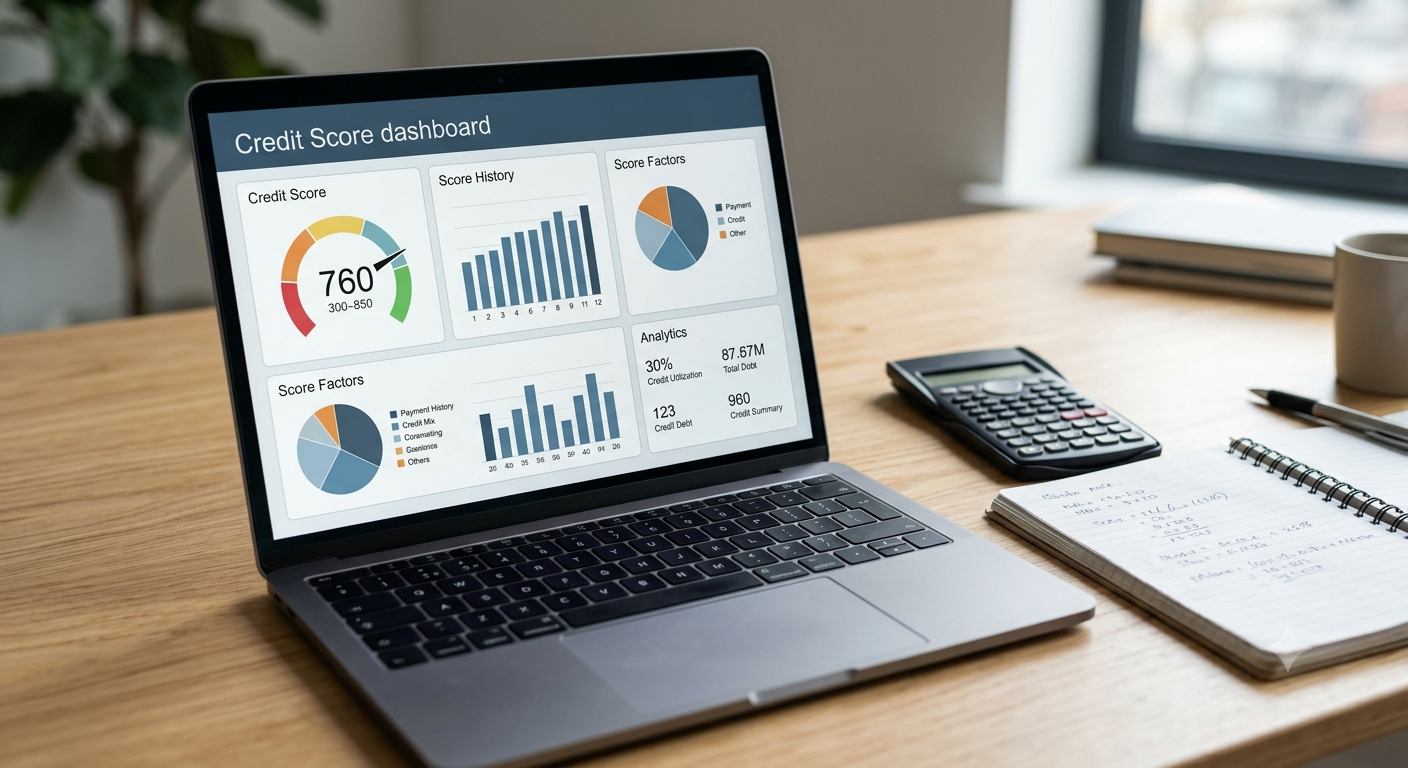
A credit score is a numerical representation of your creditworthiness. In simple terms, it helps lenders estimate how likely you are to repay borrowed money on time.
Your score is based on information contained in your credit history, including how you’ve managed credit accounts over time.
Although scoring models vary by country and lender, the underlying purpose is generally the same: to assess financial reliability.
A stronger credit score may improve your ability to qualify for loans or credit products and can sometimes help you access more favorable borrowing terms.
Why Credit Scores Matter
Your credit score can influence many financial decisions, such as:
- Loan approvals
- Credit card applications
- Interest rates
- Mortgage eligibility
- Auto financing
- Apartment rental applications (in some regions)
- Utility or phone service deposits
Because of this, maintaining healthy credit habits can support your broader financial goals.
Is a Credit Score the Same as a Credit Report?
Not exactly.
A credit report is a record of your credit history, including your accounts, payment history, and other relevant information.
A credit score is a number calculated using information from that report.
Think of your credit report as a detailed financial history and your credit score as a summary of that history.
How Credit Scores Affect Your Financial Life
A good credit score doesn’t guarantee financial success, but it can expand your options.
For example, lenders may view applicants with a history of responsible credit use as lower-risk borrowers. This can sometimes result in better borrowing terms compared with someone who has a weaker credit history.
Credit scores may also play a role in:
- Access to certain financial products
- Security deposit requirements
- Financing costs over time
- Overall financial flexibility
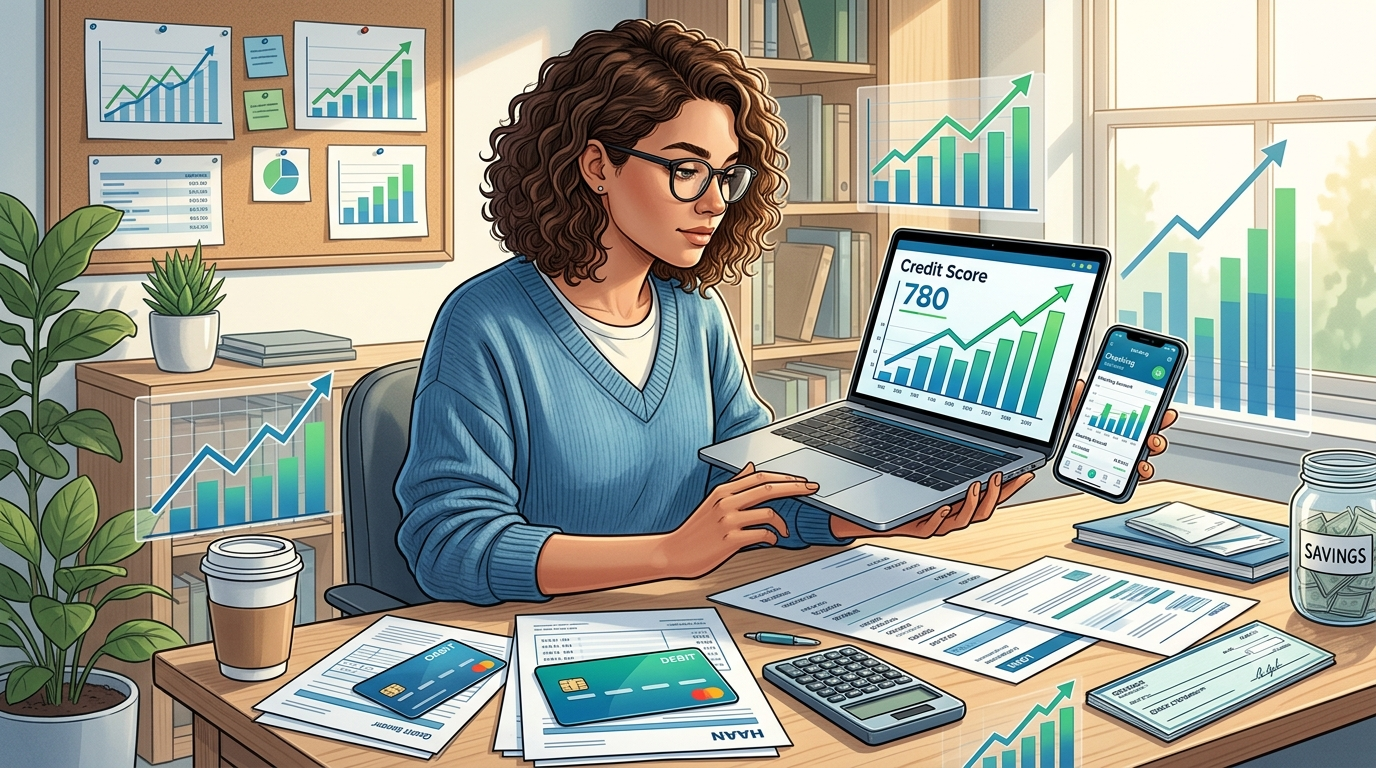
The good news is that credit scores are not fixed. They can improve over time as you build positive financial habits.
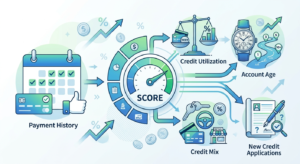
What Determines Your Credit Score?
Although credit scoring models vary by country and financial institution, they generally evaluate similar financial behaviors. Understanding these factors can help you make better decisions and improve your credit profile over time.
1. Payment History
Payment history is often considered the most important factor.
Lenders want to know whether you’ve consistently paid your bills on time. Missing payments or paying late can negatively affect your credit profile and remain on your credit report for several years, depending on local regulations.
Good habits include:
- Paying every bill before its due date
- Setting up automatic payments
- Using payment reminders
- Paying at least the minimum amount due
Even one missed payment can make it more difficult to qualify for favorable loan terms in the future.
2. Credit Utilization
Credit utilization measures how much of your available credit you’re using.
For example:
- Credit Limit: $5,000
- Current Balance: $1,000
- Credit Utilization: 20%
Lower utilization generally demonstrates responsible credit management. Many financial experts suggest keeping utilization below 30%, though lower percentages may be even better.
3. Length of Credit History
The longer you’ve responsibly managed credit accounts, the more information lenders have to evaluate your financial behavior.
Closing your oldest credit account isn’t always the best decision because it may shorten your average account age.
Instead, evaluate whether keeping an older account open aligns with your overall financial goals.
4. Credit Mix
A healthy credit profile may include different types of credit, such as:
- Credit cards
- Personal loans
- Auto loans
- Student loans
- Mortgages
However, never borrow money simply to diversify your credit mix. Only use credit products that genuinely fit your financial needs.
5. New Credit Applications
Every time you apply for new credit, lenders may review your credit history.
Submitting many applications within a short period could signal higher borrowing risk, so it’s generally wise to apply only when necessary.
How to Improve Your Credit Score
Improving your credit score doesn’t usually happen overnight. Instead, it results from consistently practicing responsible financial habits.
Here are several practical strategies that may help strengthen your credit profile over time.
Pay Every Bill on Time
Late payments can have a significant impact on your credit history.
Consider:
- Automatic payments
- Calendar reminders
- Banking notifications
Consistency matters more than making occasional large payments.
Keep Credit Card Balances Low
Using your entire credit limit every month may increase your credit utilization ratio.
Instead, try to:
- Pay balances before the statement date
- Avoid carrying large balances
- Use only the credit you actually need
Review Your Credit Report
Checking your credit report regularly allows you to:
- Verify account information
- Identify reporting errors
- Detect potential fraud
- Monitor your financial progress
If you notice inaccurate information, follow the appropriate dispute process available in your country.
Avoid Opening Too Many Accounts
Opening multiple credit accounts within a short period may make lenders cautious.
Instead, open new accounts only when they serve a clear financial purpose.
Keep Older Accounts Active
Older accounts contribute to your credit history.
If an account has no annual fee and fits your financial needs, keeping it open may help maintain the length of your credit history.
How to Improve Your Credit Score in 6 Months
Common Banking Fees You Should Know
Many people lose money every year because they don’t fully understand their bank’s fee structure.
Fortunately, many of these charges are avoidable.
Monthly Maintenance Fees
Some banks charge monthly fees simply for maintaining an account.
These fees may sometimes be waived if you:
- Maintain a minimum balance
- Set up direct deposit
- Meet other account requirements
ATM Fees
Using ATMs outside your bank’s network may result in additional charges.
To reduce these costs:
- Use your bank’s ATM network
- Withdraw cash strategically instead of making many small withdrawals
- Choose banks that reimburse ATM fees, if available
Overdraft Fees
Overdrafts occur when you spend more money than you have available in your account.
Possible ways to avoid overdrafts include:
- Monitoring your balance regularly
- Setting low-balance alerts
- Linking a backup account (where offered)
- Opting out of overdraft services if appropriate
Foreign Transaction Fees
If you travel internationally or shop from overseas merchants, some debit and credit cards may charge foreign transaction fees.
Before traveling, review your account’s fee schedule and consider cards designed for international use.
Wire Transfer Fees
Domestic and international wire transfers may involve service charges.
When suitable, alternatives such as standard bank transfers or digital payment platforms may offer lower-cost options.
Bank Fees You Should Never Pay (And How to Avoid Them)

Best Banking Habits for Beginners
Developing good banking habits early can make managing your finances much easier.
Build an Emergency Fund
A savings account dedicated to emergencies helps prepare you for unexpected expenses, such as medical bills or car repairs.
Financial experts often recommend saving several months of essential living expenses, though the right amount depends on your circumstances.
Monitor Your Transactions
Checking your account regularly helps you:
- Detect unauthorized transactions
- Stay within your budget
- Identify recurring subscriptions
- Avoid overdrafts
Use Secure Passwords
Protect your financial accounts by:
- Creating strong passwords
- Enabling two-factor authentication
- Avoiding public Wi-Fi for banking
- Keeping banking apps updated
Automate Your Savings
Setting up automatic transfers to your savings account can help you build consistent saving habits without relying on willpower alone.
Even small, regular contributions can grow over time.
Review Your Monthly Statements
Monthly statements provide valuable insights into your spending habits.
Review them to:
- Spot unusual transactions
- Track recurring expenses
- Measure financial progress
- Identify opportunities to save
Common Banking and Credit Mistakes to Avoid
Avoiding these common mistakes can help you maintain healthier finances.
Ignoring Your Credit Report
Many people don’t review their credit report until they apply for a loan.
Checking it periodically helps identify errors early.
Missing Payment Deadlines
Late payments may affect your credit history and can result in additional fees.
Setting reminders or automatic payments can help reduce this risk.
Keeping All Your Money in Checking
Separating savings from everyday spending makes it easier to protect money intended for future goals.
Applying for Too Many Credit Cards
Opening multiple accounts within a short time may not be beneficial for your credit profile.
Borrow responsibly and only when necessary.
Ignoring Bank Fees
Small fees may seem insignificant, but they can add up over months or years.
Review your account terms regularly to understand any applicable charges.
Frequently Asked Questions
What is a good credit score?
The definition of a “good” credit score varies depending on the scoring model and country. Generally, higher scores indicate lower lending risk.
Can I improve my credit score quickly?
Improving a credit score usually takes time and consistent financial habits. Paying bills on time and reducing outstanding balances are two common strategies that may help over time.
Does opening a bank account affect my credit score?
Opening a standard checking or savings account generally does not affect your credit score. However, applying for certain credit products offered by a bank may involve a credit inquiry.
Should I have both a checking and savings account?
For many people, having both can make money management easier. A checking account is typically used for daily expenses, while a savings account helps set aside money for future goals.
How often should I check my bank account?
Reviewing your account at least once a week—or enabling transaction alerts—can help you monitor spending and quickly identify any unusual activity.
What is the safest way to bank online?
Use strong passwords, enable two-factor authentication, keep your devices updated, and avoid accessing financial accounts over unsecured public Wi-Fi networks.
Key Takeaways
- Banks provide secure ways to store, manage, and transfer money.
- Checking accounts are designed for daily spending, while savings accounts support future financial goals.
- Credit scores reflect how responsibly you’ve managed borrowed money over time.
- Consistently paying bills on time and managing credit responsibly can support a stronger credit profile.
- Understanding banking fees can help you avoid unnecessary expenses.
- Building healthy financial habits today can contribute to greater financial confidence in the future.